







Search Results for: sugar-roasted coffee beans
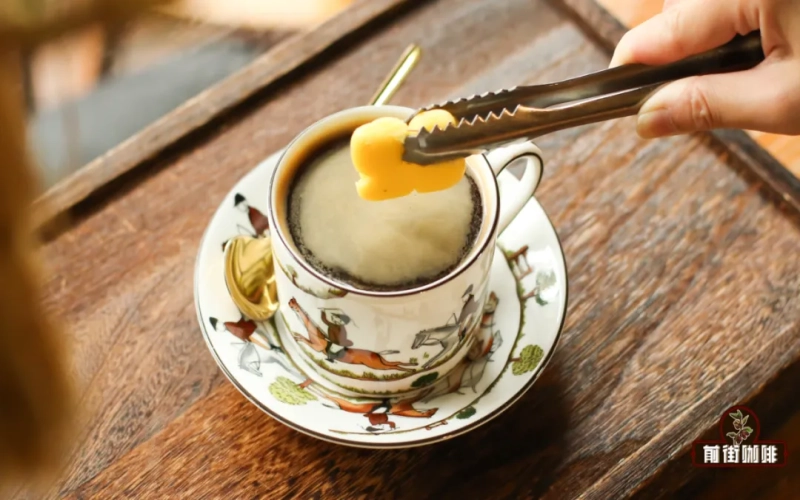
The Reasons Behind the Butter Coffee Craze: An Analysis of the Origins and Preparation Differences Between Bulletproof Coffee and Nanyang Coffee
The pairing of butter and coffee is not a recent invention but has existed for hundreds of years. Today, Bulletproof Coffee and Nanyang Coffee are the two most iconic butter coffee drinks. They originate from different cultural backgrounds, yet both have gained popularity thanks to the combination of butter and caffeine. Bulletproof Coffee was developed by Dave Asprey, inspired by Tibetan butter tea, and promotes a high-fat, low-carb fat-burning philosophy; Nanyang Coffee, on the other hand, is a sugar-roasted coffee created by Chinese migrants who migrated south, combining traditional culinary wisdom, and has a longer history. This article will provide a detailed analysis of the origins, preparation methods, flavor characteristics, and drinking precautions of these two beverages, helping coffee enthusiasts gain a comprehensive understanding of the appeal of butter coffee. [more…]
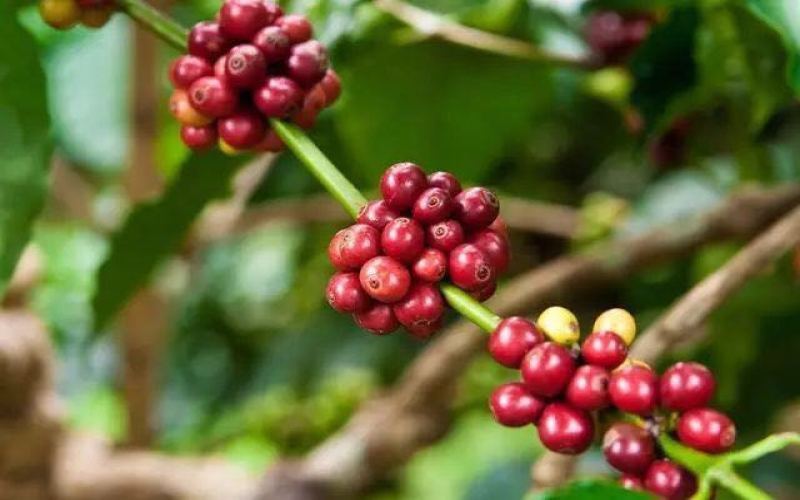
A Comprehensive Analysis of Hainan Coffee Bean Varieties and Processing Techniques: The Unique Flavor of Robusta and the Traditional Sugar-Roasting Method
When it comes to Chinese coffee, most people first think of Yunnan, but Hainan is in fact also one of the country's important coffee-producing regions. Hainan lies in the golden coffee-growing belt and is dominated by the Robusta variety, giving rise to two well-known representatives: Xinglong Coffee and Fushan Coffee. Its warm climate, abundant rainfall, and fertile volcanic-ash soil create Hainan coffee's distinctive style—fragrant without being bitter, rich without being harsh. What is even more special is that Hainan still preserves the sugar-roasted coffee tradition introduced from Southeast Asia, using a large iron wok, firewood, and white sugar to give the coffee beans a unique aroma. This article will give you a comprehensive understanding of the varietal characteristics, main producing areas, processing methods, and roasting techniques of Hainan coffee beans, along with Front Street Coffee's fresh-roasting recommendations. [more…]
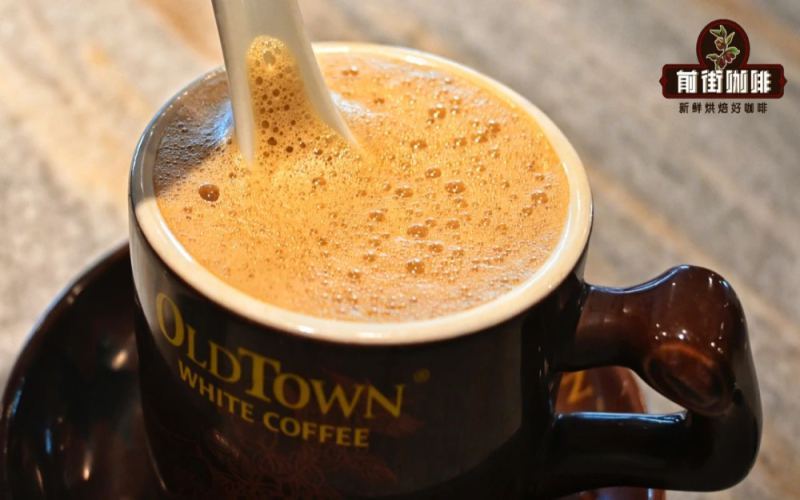
Why is Nanyang Coffee So Renowned? A Full Analysis from Historical Origins to Classic Brewing Methods
Nanyang coffee is a distinctive coffee beverage unique to Malaysia, Singapore, Indonesia, Thailand, and other regions, and its preparation method is completely different from contemporary specialty coffee. This type of coffee was first invented by the Hainanese, and in the 1850s coffee shops in Singapore were almost all run by Hainanese. In order to make low-quality robusta beans palatable, the Hainanese integrated Chinese culinary techniques into the bean-roasting process, adding butter, sugar, salt, and other seasonings, forming a unique flavor system. From Kopi to Kopi O and Kopi C, Nanyang coffee has a complete set of ordering terminology. This article will take you through the historical development of Nanyang coffee, uncover the truth about white coffee, and master the key points for brewing a delicious cup of Nanyang coffee. [more…]
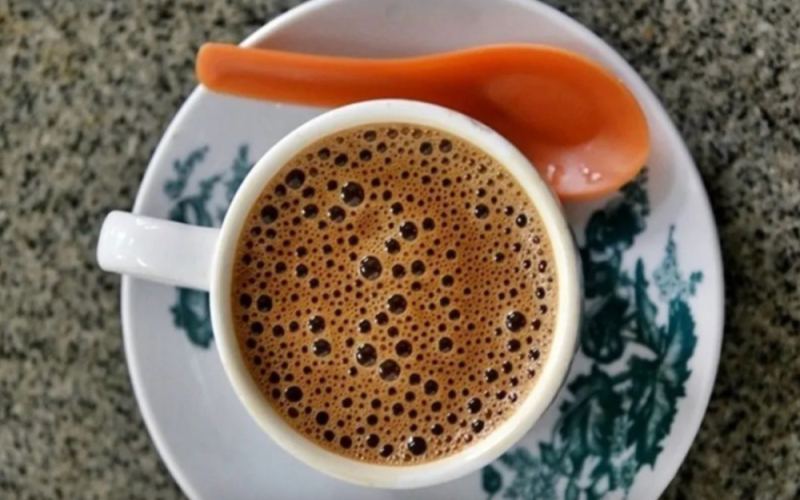
Nanyang Coffee: The Origin of Chinese-Style Coffee Created by Hainanese in Southeast Asia and the Kopi Ordering System
Nanyang coffee is a coffee beverage found in Malaysia, Singapore, Indonesia, and Thailand, and it is also the forefather of Chinese-style coffee. In the 19th century, after Hainanese immigrants moved to Nanyang, they combined Chinese cooking techniques to roast coffee beans, adding butter, sugar, salt, and other seasonings to reduce the bitterness of Robusta beans, creating a unique flavor that is rich and deeply roasted. To balance the extremely bitter taste, local Chinese developed a ordering system such as Kopi, Kopi C, and Kopi O, all derived from Hokkien pronunciation. This method of making coffee later spread back to Hainan, Hong Kong, and Macau, and evolved into variants such as white coffee and Oliang in different regions. Today, with specialty coffee in vogue, Nanyang coffee remains an important bond in the grassroots culture of Chinese communities in Southeast Asia. [more…]

Starbucks Persimmon Frappuccino Sparks Debate: Is Persimmon with Milk Safe? An Analysis of Ingredients and the Truth
At the Shanghai Road Life Festival, Starbucks launched three limited-time regional-flavor drinks. Among them, the "Qin-Jin Fire Crystal Persimmon Frappuccino" went viral after its name was misread as "Mars Persimmon," and it also sparked doubts among netizens about whether persimmons and milk can be consumed together. This article sorts through the new product launch information and netizen feedback, and invites experts to explain the dietary taboos of pairing persimmons with milk, revealing that the milk ingredient used by Starbucks is actually oat milk, while also retaining Front Street brand recommendations to help you enjoy the autumn flavors with peace of mind. [more…]

Starbucks' Toffee Roasted Sweet Potato Tea Latte Sparks Discussion: No Sweet Potato in the Recipe, Consumers' Expectations Dashed
In the cold winter season, Starbucks launched a drink called "Toffee Roasted Sweet Potato Flavored Tea Latte," which sparked a rush among many roasted sweet potato lovers to check in. However, many consumers found after drinking it that this tea latte contained neither sweet potato chunks, nor sweet potato powder or sweet potato flavored syrup; the so-called "roasted sweet potato flavor" was only a similar sweet aroma blended from oat milk, black tea, and toffee syrup. Some even pointed out that the drink was not a new product, but a repackaged version of a secret menu item from last year. With Starbucks collaborating with Xiaohongshu, perhaps "Little Sweet Potato" is the real "sweet potato" element in this drink. This article will sort out the truth about the drink's recipe and consumer reactions for you. [more…]
Flat Beans, Round Beans, and Elephant Beans in Coffee: The Causes Behind Shape Differences, Grade Pricing, and the Truth About Flavor
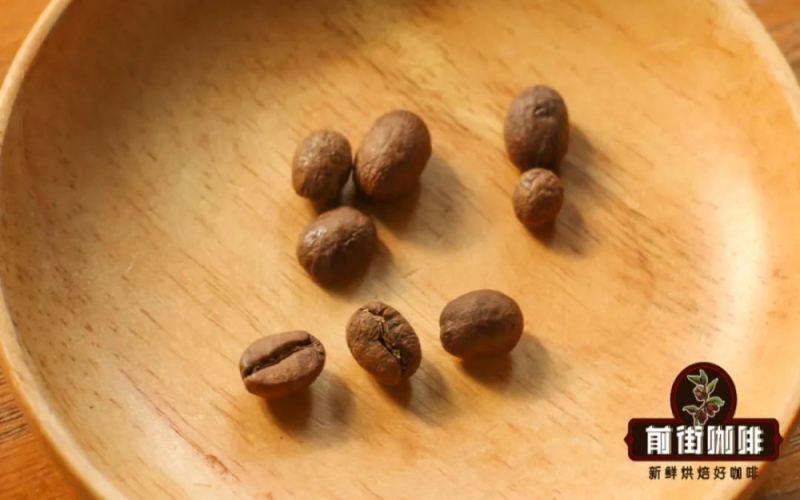
While browsing coffee-related knowledge, many people may have encountered the saying that "coffee beans are divided into male and female." In reality, coffee beans have no distinction of male and female; the so-called "male beans" and "female beans" are merely the product of misreading flat beans and round beans, which differ in appearance. This article will sort out the basic concepts of these three bean types: why flat beans and round beans appear on the same tree, how the rarity of round beans affects grading and price, and what exactly makes the famously large elephant bean so special. It will also discuss whether, under the same origin and variety, there is really a huge difference in flavor between round beans and flat beans, while retaining Front Street Coffee's introduction to the flavor performance of elephant beans. [more…]
How Long is the Freshness Period of Green Coffee Beans? Distinguishing New Beans, Old Beans, Aged Beans, and Vintage Beans, and Key Storage Points
Many coffee enthusiasts know that roasted beans should be drunk fresh, but green beans also have their own levels of freshness. Beans harvested in the current year are called new crop, those from the previous year are old crop, and those stored for more than a year are aged beans. The moisture content of green beans directly affects roasting difficulty and flavor performance. Washed beans usually range between 11.5% and 12.5%, wet-hulled Mandheling can reach 13%, and sun-dried Mocha varies widely. Beyond the usual freshness changes, there are also deliberately extended aging processes and monsoon-aged weathered coffees. This article focuses on the freshness classification of green beans, differences in moisture content, methods for judging appearance and aroma, and the handling logic behind aged beans and monsoon beans, to help you make more accurate judgments when buying and storing. [more…]
Why Coffee Bean Colors Vary in Shade: A Comprehensive Guide from Green Bean Grades to Honey Processing and Defective Beans
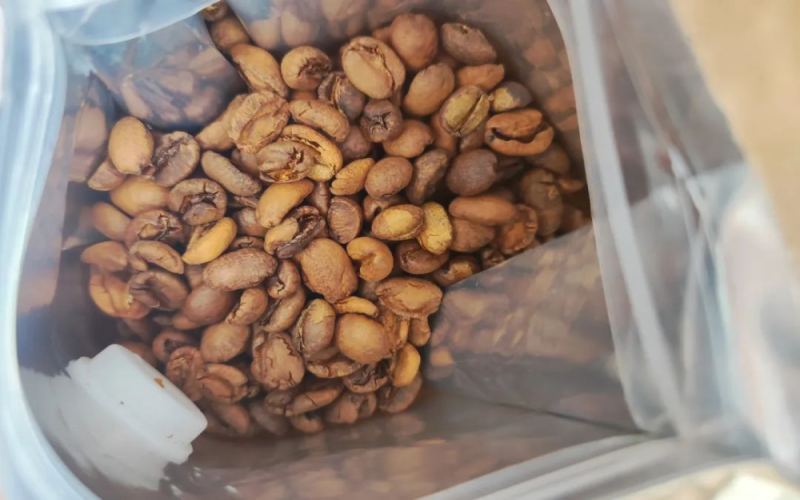
When you buy a bag of coffee beans and open it only to find the colors uneven, many people's first reaction is that "the roast went wrong." But coffee beans, being an agricultural product, can never be uniform bean for bean. This article explains, from the perspectives of green bean grading, honey processing, and anaerobic fermentation, the reasons why light-roasted coffee beans vary in shade, while also clarifying the difference between white-eye beans and normal beans, and pointing out several appearance traits often mistaken for defective beans. At the end, it uses examples from Front Street Coffee's Sherry and Warm Sun blends to illustrate how the roast level affects bean surface color and flavor performance. [more…]
Do defective beans really change coffee flavor? From grading to roasting, we teach you to accurately identify various coffee bean defects.
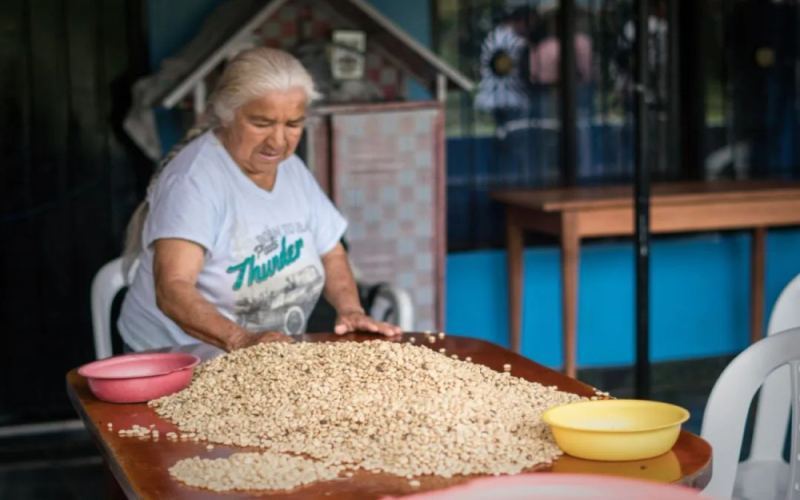
Defective beans are generally considered in the specialty coffee world to affect the flavor performance of a cup of coffee. If you have the habit of buying coffee beans and brewing at home, do you need to specifically pick out defective beans before brewing? In fact, green coffee beans undergo grading after processing, and most grading systems include a defect rate indicator. The number of defects in high-grade coffee beans has already been pressed to a very low level. From green bean grading, removal before roasting, to screening after roasting, with layer upon layer of checks, there is basically no need to worry about defective bean issues when buying roasted single-origin coffee beans. However, some coffee beans that look like defects are actually normal phenomena. Front Street Coffee has summarized several common types of situations that are easily misjudged, to help everyone distinguish them accurately. [more…]

Guide to Identifying Coffee Defect Beans: Analysis of Several Bean Types Commonly Misjudged by Consumers and Their Causes
Many pour-over coffee enthusiasts often have doubts about the appearance of the beans after purchasing single-origin beans, and even mistake normal beans for defective ones. There are two main reasons for this misunderstanding: first, consumers who only come into contact with roasted beans rarely see truly defective beans; second, they treat coffee beans as products of an industrial assembly line, assuming they have a fixed standard appearance. In reality, most defective beans are already controlled at the green bean stage, and after roasting there is also manual sorting. This article will systematically sort out the definition of defective beans, the defect rate requirements in green bean grading, and focus on explaining several commonly misjudged situations such as peaberry, burst beans, uneven color, and shriveled wrinkled beans, to help readers view the appearance of coffee beans more rationally. [more…]
An Introduction to Green Coffee Bean Grades | A Comparison of Coffee Bean Characteristics, Flavor, and Taste Across National Green Coffee Bean Grading Systems: G1, G2, AA, PB, SHB
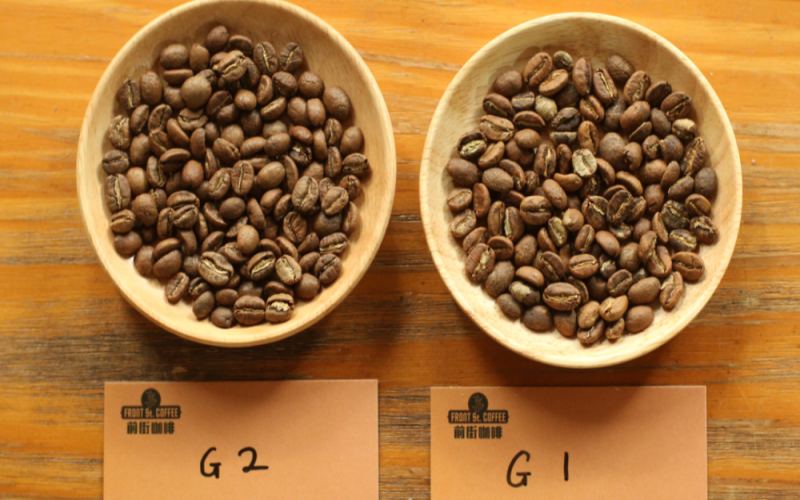
For more specialty coffee knowledge, please follow our WeChat official account: Front Street Coffee (FrontStreet Coffee). Many friends, while drinking coffee at Front Street, ask our baristas, "What is Yirgacheffe G1 and Yirgacheffe G2?" "What is Kenya AA, AB?" What is Guate... [more…]
The Truth About Male and Female Coffee Beans: Identifying Round Beans vs. Flat Beans, Their Causes, and Market Value Analysis
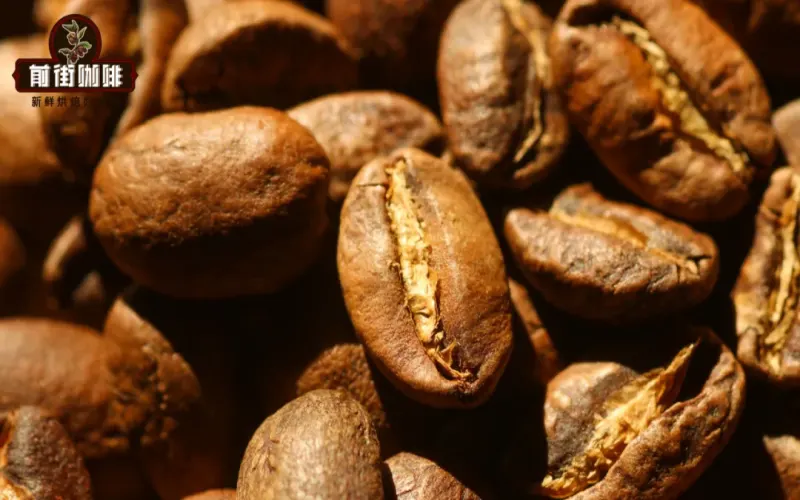
There is a popular saying online that coffee beans are divided into male and female, which confuses many enthusiasts. In fact, coffee beans have no gender differences; the so-called "male beans" and "female beans" are simply round beans and flat beans with different shapes. This article will trace the origin of this claim, explain the reasons for the formation of round beans, and analyze their special status in coffee grading and pricing. At the same time, we will also discuss whether there is really a difference in flavor between round beans and flat beans, and why most producing regions do not specifically screen for round beans. By understanding these basic facts, you will be able to view differences in coffee bean shapes more rationally and no longer be misled by marketing talk. [more…]

Should You Sort Out Defective Beans Before Brewing Coffee? Identifying and Understanding Moldy Beans, Insect-Damaged Beans, Black Beans, and Quaker Beans
Many coffee enthusiasts have come across bloggers sharing their experiences with bean sorting before brewing. The main purpose of sorting beans is to remove defective beans that carry negative flavors. This article focuses on this topic, systematically outlining the types, causes, and identifying characteristics of common coffee defects, including moldy beans, insect-damaged beans, black beans, and the more unusual quaker beans, while explaining their specific impact on coffee flavor. It also addresses a practical question: if the chosen merchant is reliable enough and the beans have undergone multiple rounds of sorting before and after roasting, is it still necessary to sort beans by hand yourself? Drawing on Front Street Coffee's sorting process and a 15g Panama Boquete Geisha as an example, the article offers a useful reference answer. [more…]
Espresso Blend Recipes and Extraction Parameters Explained: Dose-to-Yield Ratio, Grind Size, and Time Control
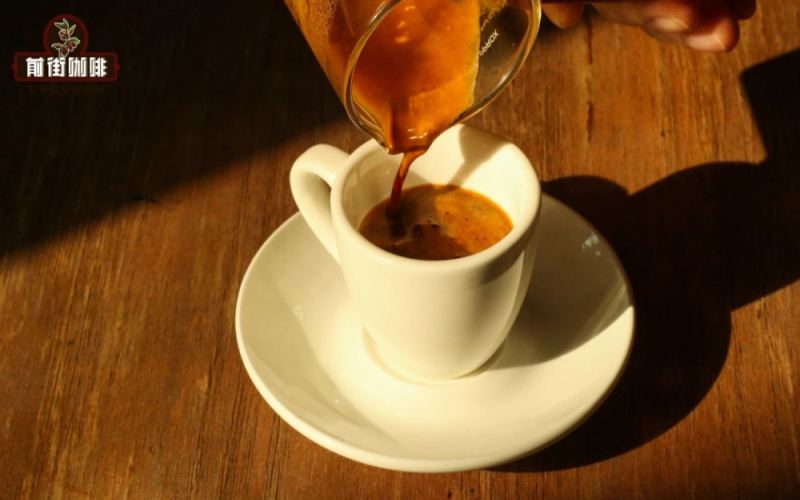
To make espresso with rich crema and a full-bodied mouthfeel, the key lies not only in the machine, but even more in the bean blend recipe and roast level. Front Street Coffee has long insisted on fresh roasting, offering coffee beans that have been rested for two to three days so the flavors are fully released. This article systematically compiles six Front Street espresso blend options, covering balanced, bitter, acidic, winey, specialty, and basic styles, and explains in detail parameters such as the coffee-to-water ratio, grind size, and extraction time. It also shares key points for selecting blend beans: removing defective beans and understanding the differences in bean variety characteristics and roast levels. Whether you are a coffee enthusiast or a shop operator, you can find an espresso bean solution and extraction approach suitable for daily serving. [more…]
Do Coffee Beans Really Have Male and Female Types? Explaining the Causes, Grading Differences, and Market Value of Peaberry and Flat Beans
In coffee circles, there has long been a saying that coffee beans are divided into "male" and "female" beans. Some people call oval beans "male beans" and flat beans "female beans," and use this to drive up the price of round beans. However, the truth is that coffee beans have no gender distinction. The difference between round beans and flat beans comes from whether the ovule was successfully pollinated during fruit development. Round beans are sought after because they are rare, but they show no significant flavor difference from flat beans of the same variety from the same origin. This article will systematically sort out the origin of round beans, their particle size characteristics, the logic of grading and pricing, and the actual attitudes of various producing regions toward round beans, to help you view this special bean shape rationally. [more…]

The Principles of Coffee Bean Resting | Why Do Coffee Beans Need to Degas and Rest? How to Determine How Long Coffee Beans Need to Rest and Awaken? What Is the Correct Way to Rest Coffee Beans?
Coffee enthusiasts who often pick freshly roasted coffee beans at FrontStreet Coffee know that the optimal flavor period for coffee beans is within one month, while for drip bag coffee it is half a month; does this mean that just-roasted coffee beans are at their freshest? This [more…]

Espresso Bean Grind Size | What is the coffee-to-water ratio for extracting espresso from espresso beans? Can espresso beans be used to make pour-over black coffee?
Friends who often follow Front Street should know that Front Street focuses on freshly roasted coffee. Freshly ground coffee is not the same as fresh, and of course, the fresher the better is not always true. Front Street generally provides coffee beans that are two to three days past the roast date. Coffee beans that have rested for a few days can better express their true flavors when brewed. Front Street not only offers single [more…]

A Complete Analysis of Coffee Processing Methods Worldwide: From Dry and Wet Processing to Grading and Classification
From fruit to export, coffee beans must undergo a series of meticulous processing steps, and these processes directly determine the final quality and price of the coffee. This article systematically reviews the coffee bean processing methods of major producing regions around the world: from the dry method commonly used in Brazil and Ethiopia, to the wet method widely adopted in Kenya, Colombia, and elsewhere, and then to the subsequent stages of hulling, polishing, grading, and sorting. The article introduces in detail the technical key points, equipment principles, and quality control essentials of each step, and analyzes the impact of different processing methods on coffee flavor and commercial value. It is suitable for enthusiasts who wish to gain a deeper understanding of green coffee bean processing knowledge. Front Street Coffee always pays attention to the influence of origin processes on flavor, providing coffee enthusiasts with professional bean selection references. [more…]
A Detailed Explanation of Green Coffee Bean Grading Standards: What's Behind Ethiopia G1, Kenya AA, Blue Mountain No.1, and SHB Grades?
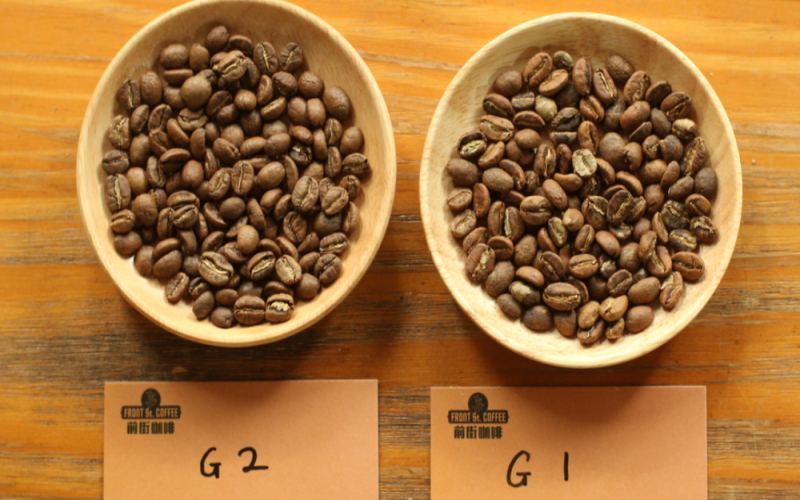
Coffee enthusiasts often ask in the shop exactly what the difference is between Ethiopia's G1 and G2, what Kenya AA actually means, and what Costa Rica's SHB grade signifies. These combinations of letters and numbers actually reflect how each producing country evaluates the quality of green coffee beans. Due to differences in history, trade, climate, and terrain, different origins have developed their own grading systems, with evaluation criteria covering multiple dimensions such as defect percentage, bean size, growing altitude, green bean density, and processing method. This article will systematically sort out the origins of coffee grading and introduce, one by one, the green bean grade standards of representative producing countries such as Ethiopia, Kenya, Colombia, Jamaica, Costa Rica, Panama, Guatemala, El Salvador, Honduras, and Brazil. [more…]